



The End of Raw Bentonite?
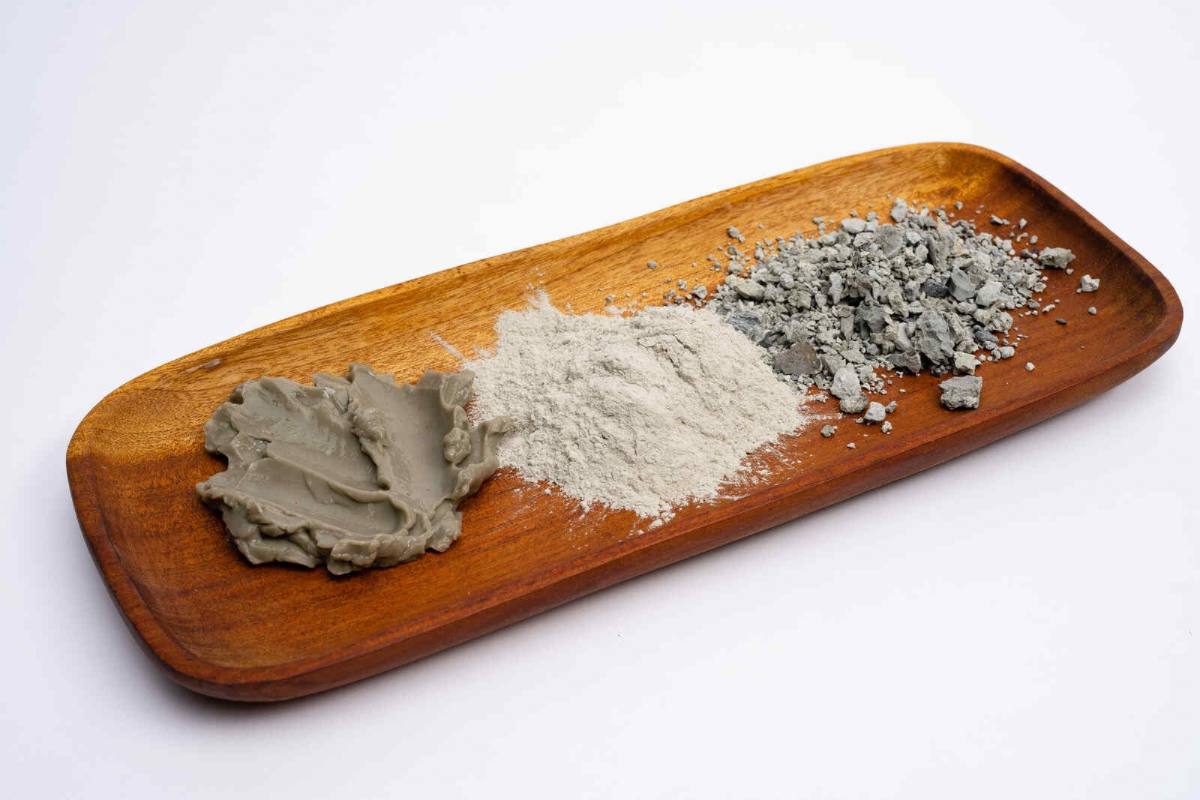
The End of Raw Bentonite?
Why the Global Market Is Shifting Toward Engineered, Application-Specific Grades
For decades, the bentonite trade followed a simple pattern: mine it, dry it, mill it, and ship it in bulk. Data from 2026 suggests that model is changing. Major consuming industries — from drilling to steelmaking and foundry casting — are no longer looking for “a clay”; they are looking for an engineered material with predictable, measurable performance. This shift is reshaping how value is created and captured across the entire bentonite supply chain.
From Crude Clay to Formulated Product
Several independent market analyses published in 2026 point to the same underlying trend: leading producers are moving away from simple crude clay extraction toward surface-modified and chemically activated bentonites designed for specific end uses. In the bentonite dispersants segment specifically, the market is described as undergoing a clear transition from commodity-grade material to pre-dispersed, high-yield, application-specific compounds — a shift that is lifting value per tonne, since specialty formulations for high-performance drilling fluids and advanced coatings command a price premium over standard grades.
Forecasts suggest that the specialty, premium segment of the bentonite market could grow one-and-a-half to two times faster in value terms than standard grades between 2026 and 2035. In practical terms, this means the center of gravity for profit margins is moving away from tonnage of raw material sold and toward technical formulation, quality control, and certification.
Three Forces Driving the Shift
1. Tightening technical and environmental standards.** Regulatory harmonization around drilling-fluid standards such as API 13A, alongside stricter environmental rules, is gradually steering industrial procurement toward certified, traceable suppliers rather than uncontrolled bulk sellers. At the same time, tightening 2026 environmental regulations have turned bentonite from a simple industrial mineral into a critical tool for landfill lining, leachate containment, and industrial wastewater treatment — applications that inherently require defined grades and consistent quality control, not generic raw clay.
2. Compressed margins on undifferentiated raw material.** In major exporting markets such as India, export prices for raw bentonite have remained largely flat in recent years, with producers effectively acting as price-takers in a competitive, volume-driven global market where margins are highly sensitive to freight costs. Competing purely on the price of raw tonnage is increasingly a low-margin, structurally difficult position for small and mid-sized exporters to sustain.
3. Capital investment by large producers into processing capability.** Major chemical and mineral companies have been expanding their specialty offerings: new eco-friendly bentonite-based additives have been introduced for construction applications, improving water retention and sealing performance in slurry walls and groundwater barriers, while dedicated blending and packaging facilities have opened specifically to produce tailor-made drilling-mud formulations and foundry sands with improved fluid-loss control and mold strength. This kind of investment raises the technical bar for the entire industry.
Opportunities Ahead
Higher value capture per tonne.** As specialty and pre-activated grades command a price premium over commodity material, producers capable of consistent quality control and certification stand to capture significantly more value than those competing purely on bulk volume.
Growth in environmental and infrastructure applications. Demand for bentonite in landfill liners, groundwater barriers, and industrial wastewater treatment is expanding as environmental regulation tightens globally, opening a durable, less cyclical demand stream compared to sectors tied to commodity price cycles.
Steady expansion in pet-care demand.** Cat litter remains one of the few bentonite applications with consistently strong volume growth, driven in part by rising pet ownership in developed markets, offering a relatively stable and less technically demanding entry point into specialty-grade production.
Continued reliance on bentonite in core industrial processes. Despite the availability of synthetic alternatives, bentonite-based drilling mud systems remain essential for wellbore stability and pressure control, and bentonite continues to be indispensable as a binder in iron ore pelletizing and foundry sand molding — meaning underlying industrial demand is unlikely to disappear, even as the required grade and consistency rise.
Threats on the Horizon
**Commoditization risk for unprocessed material. As certification and application-specific formulation become the basis of competition, producers who remain limited to selling undifferentiated raw ore risk being pushed into an increasingly thin-margin segment of the market, competing primarily on price and freight cost.
**Rising barriers to entry.** Beneficiation plants, activation lines, and quality-control laboratories require capital investment that not all producers can access, potentially widening the gap between vertically integrated players and smaller, extraction-only operations.
**Regional overcapacity and price pressure.** New capacity expansions, including efforts to reduce dependence on standard-grade imports from dominant suppliers, could intensify competition in the commodity-grade segment even as the specialty segment grows.
**Persistent raw-material price volatility.** Analysts continue to expect price volatility for raw sodium bentonite ore, even as integrated producers with captive mines maintain a structural margin advantage over those without direct access to reserves.
**Regulatory compliance costs.** As environmental and technical standards converge globally, the cost of maintaining certification and consistent documentation may become a competitive necessity rather than an optional differentiator — a burden that falls disproportionately on smaller producers.
Outlook
The global bentonite market is not shrinking — most forecasts point to steady, mid-single-digit annual growth through the mid-2030s, supported by drilling activity, infrastructure development, steel production, and pet-care demand. What is changing is the basis of competition. Volume and geology alone are no longer sufficient advantages; technical formulation, certification, consistency, and environmental compliance are becoming the primary factors separating producers who capture rising value from those left competing on price for an increasingly commoditized raw material.